BlogWaking up
What makes a good alarm sound?
A good alarm sound wakes you up and leaves you able to think. Here's what one study found about melody, and how to test sounds at home.
The Alarmis team4 min read
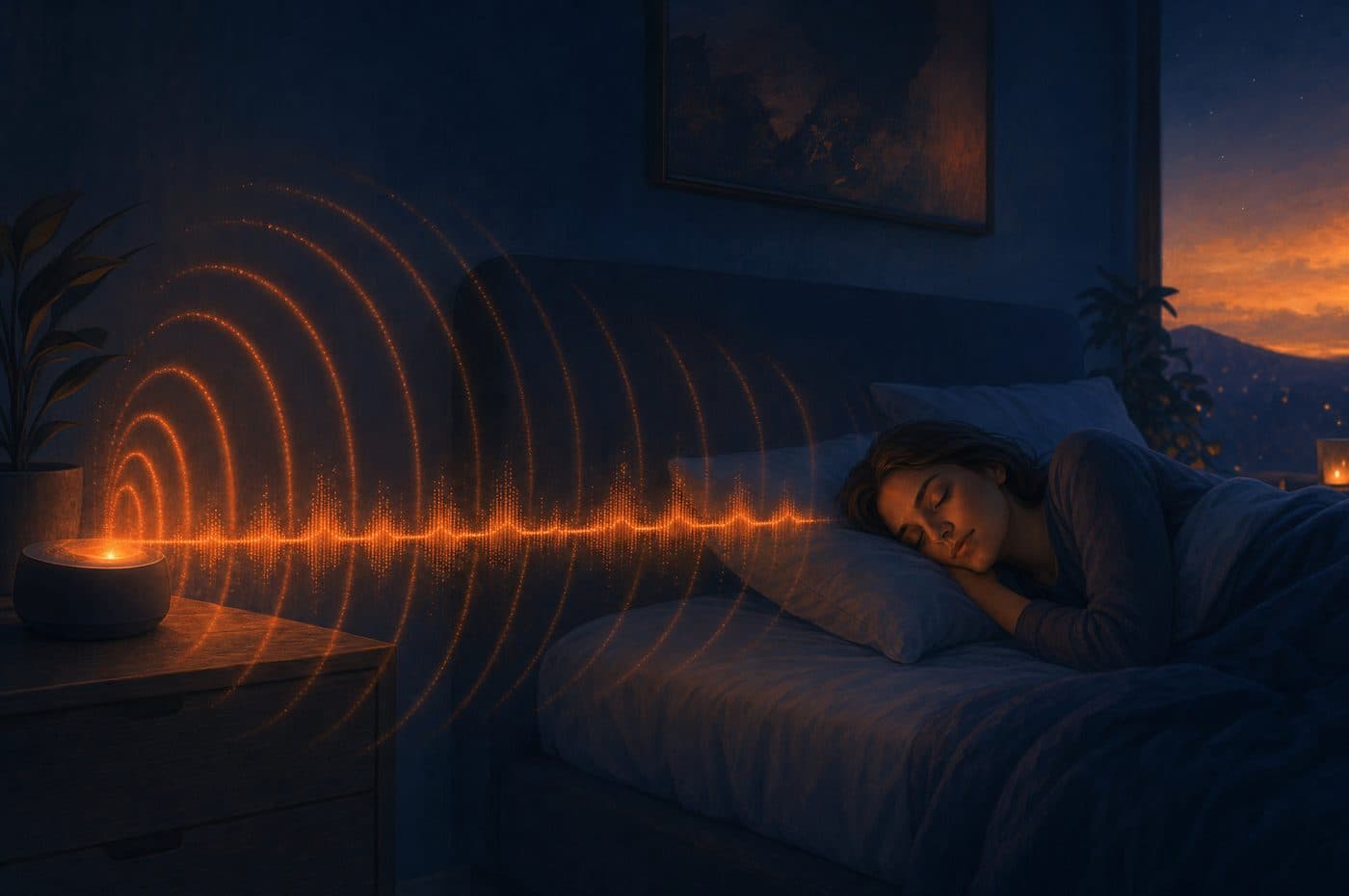
Most people pick an alarm sound once and never think about it again. It came with the phone, or it was the loudest option in the list, and it has been ringing every morning for years.
That sound does a lot of work. It has to pull you out of sleep, and it sets the tone for the first few minutes of your day. It's worth five minutes of thought.
One sound, two jobs
An alarm sound has two jobs, and they don't always pull in the same direction.
The first job is to wake you. That means being loud enough and distinct enough to get through to a sleeping brain, and different enough from the background noise that you can't tune it out.
The second job is the minutes after. Feeling groggy right after waking is normal, and sleep researchers call it sleep inertia. It's that slow, foggy feeling where your thinking hasn't caught up with your body yet. A sound that jolts you awake in a panic does the first job well, but it may not help with the second.
What one study found
In 2020, researchers at RMIT University in Melbourne published a study in the journal PLOS ONE called Alarm tones, music and their elements. They asked people about the sound they woke up to, how they'd describe it, and how groggy or alert they felt afterwards.
The results that got attention were about melody. People who rated their alarm as melodic tended to report less grogginess. People who rated their alarm as neither melodic nor unmelodic tended to report more.
The study has real limits, and the authors are open about them:
- It was an online questionnaire, with 50 people in the final analysis.
- Everything was self-reported. Nobody measured alertness directly.
- People could fill in the survey up to four hours after waking, which may have colored their answers.
- The authors call their findings preliminary and say more research is needed.
So this is a hint, and a small one. It doesn't prove that a melodic alarm will make you sharper. It does suggest that the kind of sound you wake to might matter, and that "as harsh as possible" may not be the best default for everyone.
What that means for you
You don't need a study to run your own test. You're the only sleeper whose results matter, and you can try a few sounds in a week or two.
A few things to consider as you choose:
- Can you hear it through your sleep? Everything else is secondary. A pleasant sound you sleep through is useless.
- Does it stand out from your room? If you sleep with a fan, rain sounds or traffic outside, pick something that doesn't blend in.
- How do you feel ten minutes later? This is the part most people never check. Notice whether you're up and functioning or still stumbling.
- Do you hate it? Some people want an alarm they dread so they'll turn it off fast. Others find that dread makes mornings worse. Be honest about which camp you're in.
Loud still has a place
If you're a heavy sleeper, a gentle melody may simply not wake you. That's fine. Loud, harsh sounds exist for a reason.
One approach is to use both. Set a melodic sound as your main alarm and a louder one a few minutes later as a backup. If the first one works, you'll be awake to turn off the second. If it doesn't, the backup catches you.
Placement matters as much as the sound. A phone under a pillow or face down on a soft surface muffles any alarm. A hard surface across the room makes even a quiet sound easier to hear, and makes you get up to stop it.
Familiar sounds fade into the background
If you've used the same alarm for years, you may have noticed it doesn't hit the way it used to. You might even hear it in your sleep and work it into a dream.
Changing the sound now and then is an easy fix. Some people rotate between two or three sounds. Others change it whenever they notice they've started sleeping through it.
A one-week sound test
Here's a simple way to find out what works for you.
- Pick three sounds: one melodic, one neutral, one loud and harsh.
- Use each for at least two mornings. Keep everything else the same, including your bedtime and where the phone sits.
- Ten minutes after waking, rate how alert you feel from 1 to 5, and note whether you heard the alarm the first time.
- At the end of the week, keep the sound with the best scores. If two are close, keep the one you heard reliably.
Write the scores down. Your memory of groggy mornings isn't reliable, which is sort of the point.
Sounds in Alarmis
In Alarmis, each alarm has its own sound, so you can give weekdays a different sound from weekends or run your own test. The library runs from a classic bell and sunrise chimes to sirens and air horns.
The sound is only the first step. There's no snooze button, and to stop the countdown you finish a wake-up mission, like a few math problems or a set number of steps. If you're still in bed when your grace period ends, your caller phones you. Even the best alarm sound can't call you back.
The short version
- A good alarm sound wakes you reliably and leaves you able to think.
- One small study linked melodic alarm sounds with less reported grogginess. Treat it as a hint.
- Heavy sleepers can pair a melodic main alarm with a loud backup.
- Change the sound if you notice you've stopped hearing it.
- Test a few sounds for a week and write down how you feel.
This isn't medical advice.